
How Families Get Stuck
Families develop a particular “vibe”—a way of relating to one another that becomes familiar and comfortable over time. This pattern develops over years, beginning with the parents as they work together to establish the kind of family they want to create. Over time, communication patterns, expectations, beliefs, and ways of responding to one another begin to shape the family system.
As children enter the family, they learn—often without anyone explicitly teaching them—which behaviors and roles help them fit within that system. Each family member develops patterns of interacting that contribute to maintaining the family’s familiar way of functioning.
When something disrupts that familiar pattern, family members may consciously or unconsciously respond in ways that bring the system back toward what feels comfortable and familiar. In family systems theory, these patterns can be understood as attempts to restore equilibrium.
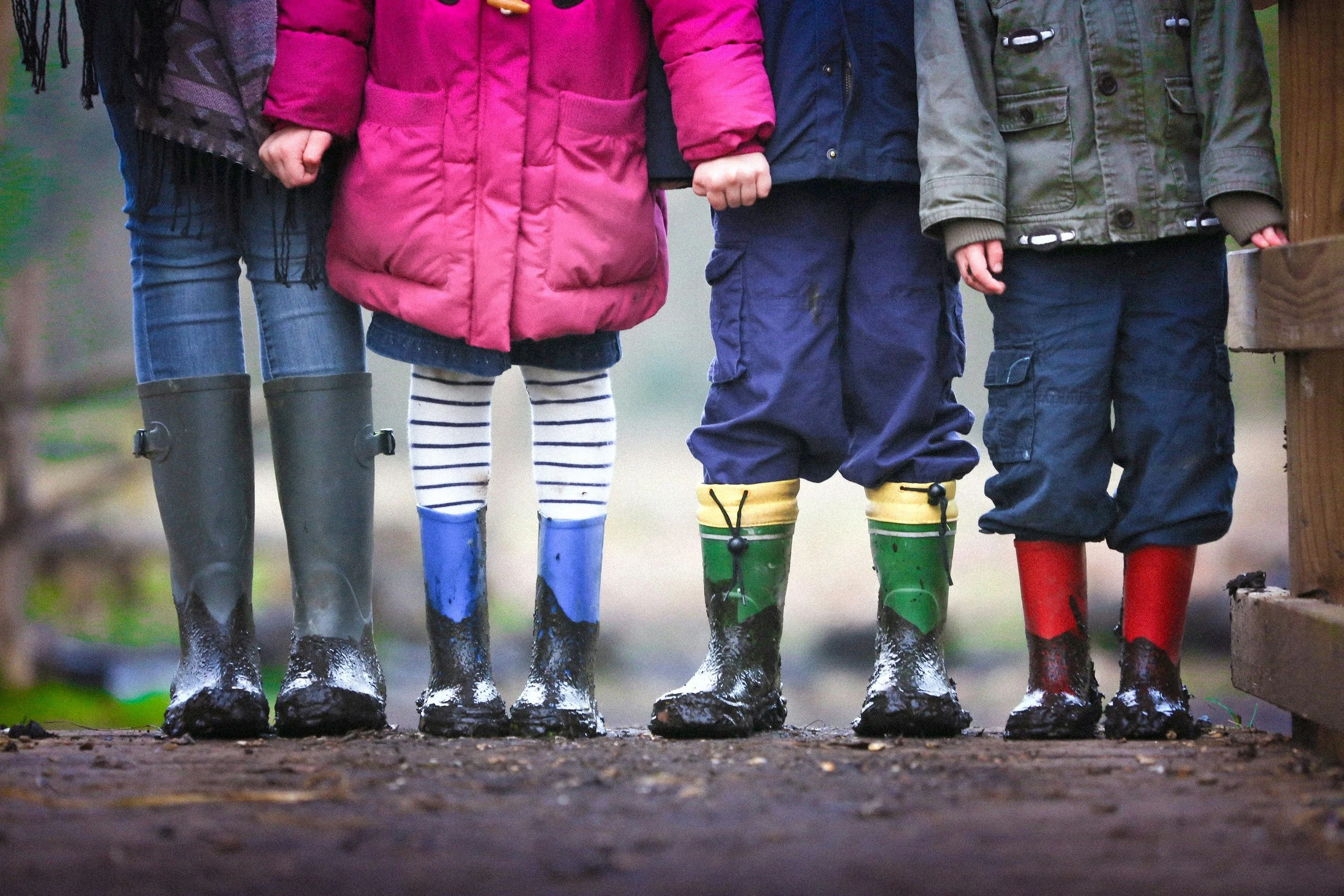
Family members play roles within the system.
Here is what this might look like in real time:
One child tends to be favored and closely aligned with the parents, while another child is more frequently criticized or finds themselves in conflict with the parents. If the favored child does something that displeases the parents, that child may suddenly find themselves outside of their usual position of alignment. Later, they may bring up a topic of conversation that allows them to reconnect with the parents while simultaneously shifting attention back toward the child who is typically in conflict with them.
This does not necessarily happen consciously. The favored child may have no awareness that they are participating in a larger family pattern. The behavior may simply be an instinctive attempt to return to a familiar position within the family—to regain connection with the parents and restore the relational pattern everyone has come to expect.
These patterns can become even more complicated when children grow up and bring partners into the family system. The family may be accustomed to the roles and patterns that have developed over many years, while a new partner brings different perspectives, expectations, boundaries, and ways of communicating.
This is often where families experience tension. The existing family system may have difficulty adapting to the new patterns introduced by the partner, while the partner may understandably be unwilling—or unable—to simply conform to the family’s established way of relating.
Healthy family systems are not necessarily conflict-free. Rather, they are flexible enough for family members to examine their own patterns, tolerate discomfort, and adapt when relationships change. Everyone has room to grow, and no one person has to carry the responsibility for maintaining the family’s equilibrium.
In less flexible systems, however, familiar roles can become increasingly entrenched. The “favored” child and the child who is “at odds” with the family may become increasingly defined by those positions. Instead of adapting to one another, family members may continue responding in ways that preserve the existing pattern—even when that pattern is no longer serving the family well.
Sometimes, maintaining the family’s familiar “vibe” comes at the expense of individual relationships, authenticity, and the family’s ability to grow.